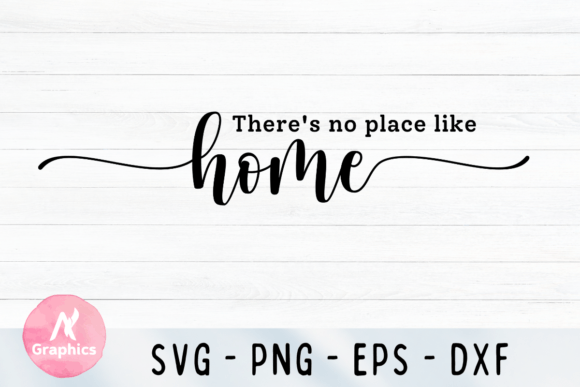
There's No Place Like Home Embroidery Design
Whenever I open a new embroidery file, I’m thinking about what it’ll become. I look past the digital preview and imagine the threads hitting the fabric, the finished product in a client’s hands, or the listing photo on my Etsy shop. Today, I’m looking at the “There’s No Place Like Home” SVG design. It’s categorized as a T-Shirt Design or Graphic, but my mind goes straight to embroidery. Let’s walk through what this design offers in real project use.
First Impressions: Comfort and Classic Appeal
The phrase itself is a classic, but the design’s execution is what matters. This layout feels balanced and welcoming. It’s not overly ornate, which is a good sign for embroidery. The lettering style suggests a clean, readable stitch path. The mood is instantly nostalgic, comforting, and universally positive—perfect for products meant to feel personal and homely. I picture this on a cozy sweatshirt, a kitchen towel, or a nursery pillow before I even load the file into my software. Its visual personality is friendly and straightforward, which translates well into stitch.
The Natural Habitat for This Stitched Design
This isn’t a design that wants to live only on a t-shirt. Its theme opens doors. For my craft business, I’m thinking of embroidered tote bags for new homeowners, personalized baby blankets, or even a simple patch sewn onto a canvas apron. It would make a thoughtful wedding gift embroidered on a set of pillow covers, or a warm holiday gift on a tea towel. For a small shop selling handmade merchandise, this design could anchor a whole line of “home” themed products—from embroidered caps for a gardening boutique to decorative wall hangings.
In terms of embroidery technique, the clean lines suggest it would work beautifully as a satin stitch for the lettering, with perhaps a fill stitch for any accompanying decorative elements if they exist in the file. The key will be stitch density—ensuring it’s not too dense for lightweight fabrics like t-shirts, but robust enough for heavier items like bags or sweatshirts.
Where This Design Performs Beautifully
On stable fabrics with a good surface, this design will shine. Think of a cotton tote bag, a linen apron, or a fleece baby blanket. The message is clear, the stitching will be legible, and the finished product feels valuable. For customer trust and professionalism, a well-executed embroidery of a classic phrase like this enhances the handmade presentation. It looks intentional and skillful, not generic. On a gift, it elevates the personal touch. On a small shop product, it supports brand consistency if your niche is home, family, or comfort.
I can also see this working very well for digital product sellers. A clean PNG file, as included, is crucial for creating printable mockups or previews for your own listings if you’re selling the finished embroidered item. It helps buyers visualize the final embroidered product on an apron or sweatshirt before they purchase.
Scenarios for Caution and Testing
No design is universally perfect, and practical judgment means knowing its limits. The detail level, particularly in any smaller lettering or corners, needs attention. On a curved surface like a cap, the layout might need adjustment. On stretchy fabric or thin jersey, a dense stitch area could cause puckering. On dark fabric, thread color contrast is paramount—a bright white or cream satin stitch would be essential.
For products that need frequent washing, like kitchen towels or baby clothes, the stitch integrity and stabilizer choice become critical. I would never run this on a small hoop size without testing; some details might get lost. Always, always test the embroidery file on a scrap of your target fabric first. Check the stitch density in your machine’s preview. Inspect how small details like the “dot” in “home” or the connections between letters translate. Does it remain clear?
Turning a Graphic into a Stitched Reality
As an embroidery designer, my notes for using this file start with preparation. Confirm your hoop size can accommodate the design’s dimensions comfortably. Use the proper stabilizer for your fabric—for a textured fabric like a towel, a cut-away might be best; for a t-shirt, a lightweight tear-away. Review your thread colors against both light and dark fabric backgrounds in a software mockup, even a simple black and white preview, to check contrast.
A crucial step for any commercial embroidery project or craft business item: confirm the licensing terms of the original digital product. The description states it’s a digital download including SVG and PNG files. Before selling finished items or using this design in commercial embroidery projects, you must verify that the license permits that use. This is a non-negotiable step for professionalism and legal safety.
Finally, think about the end buyer’s engagement. “There’s No Place Like Home” embroidered on a product is highly recognizable and emotionally resonant. That giftability and recognition directly affect sales. It’s a design that people buy because they feel something, not just because they see something. That’s a powerful asset for any maker.
A Practical Embroidery Project Vision
Let’s picture a real case. I’m preparing a custom embroidered tote bag as a welcome gift for a friend moving into a new house. I choose a natural canvas fabric. I load the “There’s No Place Like Home” SVG, adjust the size to fit nicely on the bag’s front panel, and select a rich, navy blue thread for a satin stitch outline. After testing on a scrap of canvas, I see the stitch clarity is excellent, the letters are distinct. The finished bag feels substantial, handmade, and perfectly personal. That’s the potential this design holds—when paired with thoughtful embroidery execution, it creates not just a product, but a meaningful object.
In essence, the “There’s No Place Like Home” SVG design is a strong, versatile graphic asset for embroidery. Its classic theme and likely clean layout make it a reliable choice for a wide range of projects, from personal gifts to small shop merchandise. Your success with it will hinge on those practical embroidery steps: testing, adapting to your fabric, and ensuring your technical setup honors the design’s simple appeal. With that care, it can stitch up into something truly special.