A Designer’s Take on Who You Callin Chicken
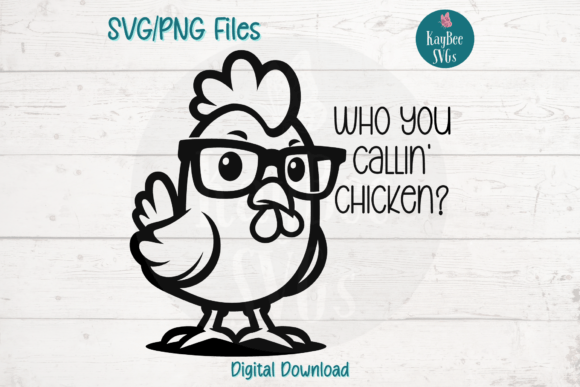
When a design file lands on my desk, my first question isn’t about its specs—it’s about its soul. What does this artwork say, and where will it sing? Who You Callin Chicken isn’t just a phrase; it’s a declaration. It has that playful, defiant energy that immediately suggests a story. As a designer and reviewer who turns digital embroidery files into real, stitched products, my job is to visualize that story on fabric.
The Personality Stitched Into the Lines
The first impression here is pure character. The layout isn’t overly complex, which is a huge advantage for embroidery. It speaks with a bold, almost cheeky confidence that would resonate with a wide audience. The theme is lighthearted and relational, perfect for a gift or a personal statement piece. For my craft business or a client’s custom apparel request, this suggests a design that’s more about personality than intricate artistry. It belongs on items meant to convey humor, affection, or a shared joke.
I’m picturing it on a well-loved cotton tote bag for a friend who needs a pep talk, or centered on a cozy sweatshirt for someone with a sense of humor. It would be a standout on a simple apron in a kitchen, or even as a small embroidered patch on a denim jacket. The mood is friendly and engaging, which translates directly to a handmade product that feels personal and inviting.
Where This Design Finds Its Best Home
In practical embroidery project terms, this is a versatile candidate. Because it appears to be a graphic-driven design with clear lettering, it should perform well across many surfaces. For Etsy sellers and small shop product lines, it’s a strong fit for:
- T-shirts and sweatshirts: The classic canvas. It offers good visual impact without being overly dense.
- Tote bags and pillow covers: Larger, flat areas where the design can be a central, cheerful focal point.
- Kitchen towels and aprons: Practical items that benefit from a touch of whimsy.
- Baby items and nursery decor: On a bib or a small blanket, it becomes a funny, loving message from parent to child.
- Holiday gifts: Personalized gifts gain extra meaning with a design like this.
The value here is in its giftability and recognition. A customer sees this on a finished product and immediately understands the sentiment. That builds a quick connection, which is gold for creative entrepreneurs at craft fairs or in online printable mockups. It feels professional because it’s clear and purposeful.
Considerations for Stitching Success
No design is universally perfect, and a professional review means pointing out where attention is needed. For Who You Callin Chicken, careful application is key in a few scenarios.
If the design has small, detailed lettering—which many graphic-based designs do—you’ll want to be mindful on small hoop sizes. Stitching it tiny on a cap or a baby sock might lose clarity. Textured fabrics like some sweaters or stretchy fabric like certain tees will require the right stabilizer to keep those crisp lines. On dark fabric, thread color contrast becomes paramount; a white or bright yellow satin stitch would be essential.
Also, consider the stitch density. If the design uses large fill stitch areas, it could become overly stiff on a lightweight tee. Always test on scrap fabric first with your chosen thread colors. This is non-negotiable for maintaining customer trust in your handmade presentation.
A Real Project Scenario: The Custom Embroidered Tote
Let’s walk through a real case. I’m preparing a custom tote bag as a birthday gift. The recipient loves quirky sayings. I choose Who You Callin Chicken. My process: I check the embroidery file in my software, noting the overall shape. I’ll likely use a mid-weight cotton canvas for the tote. I select a vibrant, contrasting thread palette to make it pop. I consider adding a simple border or leaving it clean—the design’s personality is strong enough to stand alone.
After stitching, I inspect the small details, especially any corners in the lettering. The result should be a durable, cheerful bag that gets laughs and compliments. For a small business owner, this exact scenario translates to a satisfied customer and a repeat sale. The design’s clarity and relatable theme directly boost buyer engagement.
Notes for the Working Designer
Before you run this file, here’s my practical checklist. These notes come from years of turning digital design assets into sellable products and client work.
- Test, test, test. Always stitch a sample on a scrap of your final fabric type.
- Evaluate color. Check the design in both black and white mockups to plan for light and dark backgrounds.
- Mind the stabilizer. The right stabilizer is your best friend for clean stitches on any material.
- Consider commercial use. If you plan to sell the finished items, confirm the licensing terms for this graphic. Does it allow for commercial embroidery? Never assume.
- Think beyond apparel. This design could elevate branding for a boutique’s packaging or be used in personalized products like holiday ornaments.
The ultimate goal is a finished product that looks and feels as confident and fun as the design promises. Who You Callin Chicken has the raw material for that success. It’s a design that asks for a straightforward, quality embroidery application to shine. When stitched with care on the right product, it delivers a clear, charismatic message that people love to wear, use, and give. That’s the core of a valuable embroidery project for any maker.