A Designer’s Take on the Class of 2025 Graduation SVG Bundle
First Impressions: Beyond the Digital Preview
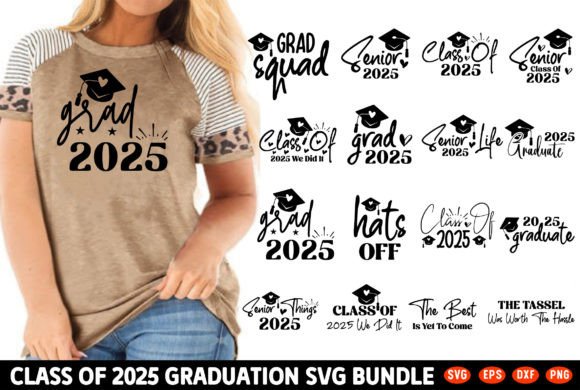
When I first opened the Class of 2025 Graduation SVG Bundle, my designer’s eye immediately scanned for personality. This isn’t just a graphic; it’s a starting point for a finished, physical product. The mood here is celebratory and clean—it feels modern and optimistic, ready for a milestone. The shapes are typically crisp and well-defined, which is crucial because that’s what we’ll be translating into stitches. The layout and detail level suggest it’s built for clarity, not for overcrowding a small hoop. This bundle naturally belongs to projects meant to be seen and appreciated: custom apparel, gifts of recognition, items that mark a moment.
The Natural Project Fit: Where This Bundle Excels
Let’s talk real use. Imagine you’re preparing a custom embroidered sweatshirt for a graduate. This design bundle has the visual personality to make that sweatshirt feel special, not generic. It would shine on a tote bag for campus carry, or as a subtle, proud detail on the corner of a pillow cover for a dorm room. For small business owners crafting boutique merchandise—like a high-quality embroidered cap or a premium apron for a grad party host—the clean theme lends a professional touch that buyers trust. As a personalized gift, stitched onto a baby blanket for a future 2025 grad (yes, that’s a thing!), it becomes a cherished heirloom. The bundle’s structure suggests it would also work beautifully for creating an embroidered patch, something with clear edges and readable elements.
Stitching It Into Reality: Performance & Practicality
How does this translate into actual machine embroidery? On standard custom apparel like t-shirts and sweatshirts, assuming proper stabilizer is used, the design should maintain its clarity. On a tote bag or apron, with their more textured fabric, you’ll want to test stitch density on scrap first to ensure the fill stitches don’t get lost. The potential for small, celebratory accents within the bundle—like dates or caps—means paying close attention to tiny lettering if it’s present; a larger hoop size might be necessary for those elements to stitch out cleanly.
Dark fabric? Always a consideration. The contrast between your thread colors and the material will be paramount here. I’d recommend running a test in a black and white mockup, mentally assigning light and dark thread schemes, before committing to a final product. For curved surfaces like caps, the design’s layout needs to be adaptable; simpler, less dense elements from the bundle will likely perform better there than any overly intricate compositions.
Careful Application: Where to Proceed with Caution
This is where practical judgment comes in. If you’re thinking of very small hoop sizes—for a delicate baby clothes application, perhaps—you need to inspect the design’s smallest details. Some graphics can lose their integrity when minimized. Textured or stretchy fabrics require extra stabilization to prevent puckering, especially in any dense stitch areas the design might have. For products destined for frequent washing, like kitchen towels or everyday sweatshirts, the longevity of the embroidery depends on your technique and thread choice, not just the digital file. The bundle provides the blueprint; you provide the craftsmanship.
The Impact on Your Work & Your Customer
Using a well-considered design bundle like this affects everything downstream. The visual appeal of your finished product is heightened because the source artwork is focused and thematic. Stitching clarity translates directly into perceived product value—a clean, sharp embroidered patch looks professional and worth the price. For handmade presentation, it offers a cohesive look that feels intentional, boosting brand consistency for Etsy sellers and craft fair vendors. As a gift, it has immediate recognition and emotion, which drives buyer engagement. It’s not just a decoration; it’s a statement.
Essential Designer Notes Before You Hoop Up
Before you run this embroidery file for a real client project or your own craft business items, do your due diligence. Always test on scrap fabric first, matching the final fabric type as closely as possible. Check thread color contrast against your actual material, not just the digital preview. Review the stitch density by looking at the file in your embroidery software—are there areas that might be too thick for fine fabrics? Confirm the hoop size needed for the elements you plan to use. Inspect any small details for potential stitching issues. And crucially, confirm the licensing terms before selling finished items or commercial embroidery projects. The product description mentions it’s set up for cutting programs, but for machine embroidery, you must verify the file formats and compatibility yourself, and clearly understand your rights for personal and commercial use.
Final Thought: A Bundle Built for Purpose
The Class of 2025 Graduation SVG Bundle, from my perspective reviewing it for real project use, feels like a practical design asset. It’s not overly fussy, which is good for embroidery. It carries a mood that resonates with customers. It fits naturally onto the kinds of products—custom apparel, personalized gifts, small shop merchandise—that makers and creative entrepreneurs actually produce. Your job is to bridge the gap between the digital graphic and the tactile, threaded reality. With careful testing and thoughtful application, this bundle can become the foundation for a truly memorable embroidered product. Just remember: the design is the map. Your skill and preparation are the journey.