USA Coquette Bow Preppy 4th of July PNG Review
The Coquette Aesthetic Meets Patriotic Prep
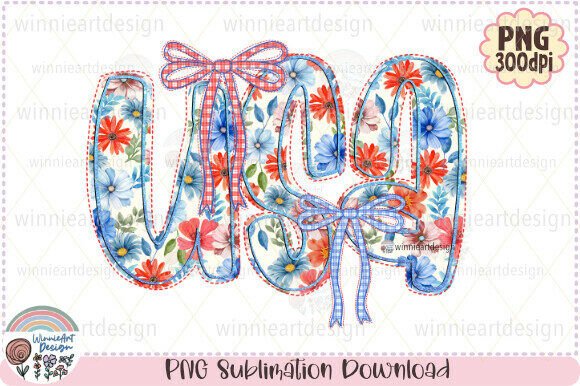
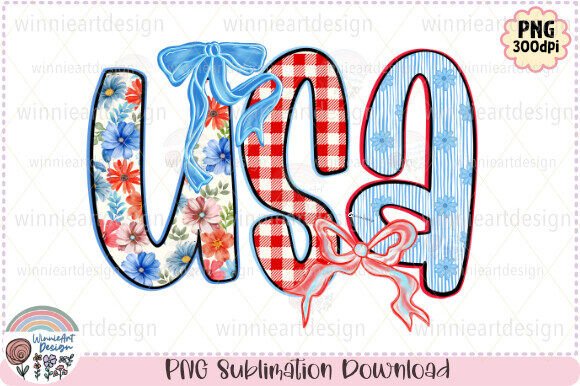
When I first opened the zip file and pulled up the 4000 x 3000 pixel PNG, I immediately smiled. There’s something unexpectedly charming about a soft, feminine bow shape reimagined in classic red, white, and blue. This isn’t the loud, firecracker-explosion kind of Fourth of July graphic you see everywhere. It’s quieter, more curated. The mood lands somewhere between preppy summer picnic and a boutique window display. For an embroidery designer who lives in the details, that’s a welcome shift.
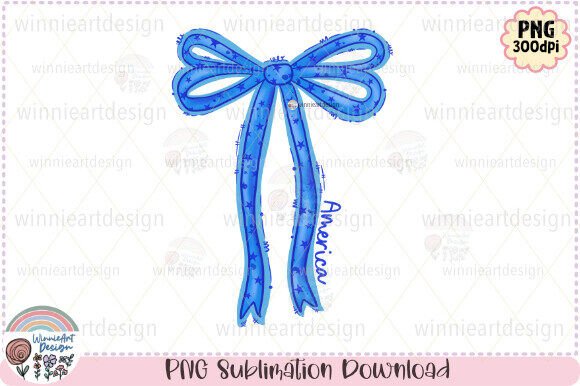
The design itself—boldly labeled as USA Coquette Bow Preppy 4th of July PNG—feels intentionally clean. No busy backgrounds, no tiny scattered confetti. It’s all about that central bow with a ribbon-like flow. My first thought was how nicely this would digitize into a satin stitch and fill stitch combination, with just enough negative space to keep the final embroidery project breathable on fabric. I could see it stitched on a crisp white canvas tote, maybe with a navy blue grosgrain ribbon trim sewn along the top edge for a fully coordinated boutique feel.
Assessing the File from an Embroiderer’s Toolbox
Let’s get one thing straight: this is a PNG file, not an embroidery file. No DST, PES, or EXP formats here. The product description clearly states DIGITAL FILE ONLY and NOT SVG files. That means if you’re planning to stitch it, you’ll need to digitize it yourself or hire a digitizer. The 300 dpi resolution on a 4000 x 3000 pixel canvas gives you a generous working area to trace, convert, and refine. For anyone comfortable with machine embroidery design software, this is a beautiful foundation graphic. The edges hold up well when I zoomed in, with minimal anti-aliasing artifacts that could trip up auto-digitizing. That’s a plus.
I always tell my small business coaching clients: a high-resolution PNG like this can serve double duty. You can digitize the bow for custom apparel, but you can also use the graphic itself for printable mockups or product previews in your Etsy shop. Since the file is 4000 pixels wide, you’ve got plenty of room to scale it down to a realistic embroidery mockup size (say, 4 to 6 inches) without losing clarity. That’s a practical win for Etsy sellers who want to list a handmade product before they’ve even stitched the sample.
A Client-Ready Story: The July Tote Bag Request
Imagine a regular customer emails you in early June. She wants a set of four matching linen tote bags for her family’s Independence Day barbecue—something classy enough for her mom, playful enough for her teenage daughter, and not too flashy for herself. She sends a Pinterest board and you recognize the coquette-bow trend instantly. That’s when USA Coquette Bow Preppy 4th of July PNG becomes more than just a file on your hard drive.
You pull it into your digitizing software. The ribbon tails need careful pathing to avoid dense satin stitch puckering on the linen blend. You decide to run a test stitch on a similar-weight fabric texture scrap—preshrunk, of course. The bow’s loops translate nicely into a medium-density fill stitch with a subtle angle change to mimic fabric folds. The center knot? That’s a place to reduce stitch density and maybe switch to a darker navy thread to anchor the design visually. After two test runs, you’re confident. The final tote bags look like something from a high-end coastal boutique. Your customer cries happy tears. That’s the power of a well-chosen graphic translated into embroidery.
Thread Color Choices and the Red-White-Blue Balance
One practical challenge with patriotic designs is avoiding the ketchup-and-mustard look. The coquette style helps here because it leans into softness. I’d skip a bright primary red and choose a deeper cranberry or a muted brick red. For the white, a cream thread actually reads more “handmade heirloom” than stark white, especially on natural fabrics. Navy stays classic, but you could introduce a very light chambray blue as a highlight to keep the overall effect gentle.
Before you commit thread to fabric, test the design in black and white. The USA Coquette Bow Preppy 4th of July PNG has enough value contrast that the bow’s folds and ribbon tails remain distinguishable even in grayscale. That’s a good sign for stitching on dark fabric or denim, where contrast is everything. If you plan to offer personalized gifts like embroidered denim jackets or navy caps, this design won’t disappear into the background.
Smart Product Pairings and Where to Be Careful
In my studio, I mentally walk through a list of substrates whenever I evaluate a new digital embroidery file source graphic. Here’s where I’d feel comfortable using this bow:
- Structured tote bags – canvas or heavy cotton, with a cutaway stabilizer to support the satin stitch loops.
- Unisex sweatshirts – a small left-chest placement (around 3.5 inches wide) turns a basic crewneck into a custom apparel piece that’s still subtle.
- Baby onesies and toddler tees – the coquette bow is soft enough for baby embroidery; just use a soft tear-away backing and cover the back with a comfortable woven interfacing.
- Kitchen towels and aprons – linen or flour-sack towels with a festive bow near the hem make perfect holiday gifts.
- Embroidered patches – digitize with a dense border edge and sell finished patches to other craft business owners.
Now, a few cautions. Small hoop sizes (like 4x4 inches) will force you to shrink the design significantly. At that scale, the ribbon details might become too fine for a clear running stitch outline, and the bow loops could lose their graceful sweep. I’d keep the design at least 3 inches tall to maintain integrity. Stretchy fabrics like performance tees demand extra care—a fusible mesh stabilizer and perhaps an underlay of fill stitch to prevent the design from warping. Also, curved surfaces such as caps can distort the bow’s symmetry. If a customer requests it on a cap, I’d digitize a flatter, slightly arched version and test on a structured six-panel cap with slow machine speed.
The Designer’s Eye for Detail and Commercial Sense
What makes this graphic stand out for commercial embroidery isn’t just the theme—it’s the restraint. The bow doesn’t have unnecessary frills that would turn into messy small stitches. The preppy style feels timeless, which means you can create a finished product that sells beyond the July window. A coquette bow in red, white, and blue works for summer farmer’s markets, nautical-themed baby showers, or even a subtle college gameday outfit. That kind of versatility protects your small shop product inventory from being hyper-seasonal.
From a brand consistency angle, this design lets you add a recognizable signature to your line without overshadowing your own aesthetic. If you’re a craft fair vendor whose booth has a feminine, vintage style, the bow fits right in. You can stitch it on pillow covers with a scalloped edge, on a baby blanket corner, or as a repeat pattern along a table runner. (The repeat idea would require careful digitizing to avoid bulk, but it’s doable.)
I also appreciate that this digital product can be used for design assets like printable gift tags or hang cards that match the embroidery. Since it’s a high-res PNG, you can print a small tag with the same bow graphic, tie it around a folded tea towel, and instantly elevate the giftability of your handmade product. Cohesion between the stitched item and its packaging builds customer trust and makes a professional impression—something Etsy sellers know makes the difference in a five-star review.
Digitizing the PNG: Practical Workflow Notes
When you unzip the folder and open the file, you’ll find one clean PNG. Since it’s not an SVG, you won’t get automatic vector paths. I recommend doing a manual trace in your digitizing software rather than relying on auto-digitize. The bow’s curves are smooth enough that you can place anchor points with precision. For the striped sections, consider using a fill stitch with a directional angle that mimics ribbon fabric, maybe 45 degrees for the loops and vertical for the tails. A narrow satin stitch border around each color block will keep the edges crisp and prevent the threads from blending into each other on dense fabrics.
Test, test, test. Always run a first stitch-out on a scrap fabric that matches your final substrate. Check your thunderd colors against each other—red next to white can show through if the density is too low, while navy next to cream can look muddy if the needle creates micro-frays. Adjust the pull compensation on the ribbon tails because satin stitches tend to pull inward, making the design look pinched. Once dialed in, save your working embroidery file and keep the original PNG as a master reference.
Licensing Awareness for Small Business Owners
I’m not a licensing expert, and the product description doesn’t specify whether commercial use is allowed. That’s a conversation you need to have directly with the seller. As an embroidery professional, I never assume I can sell finished embroidered goods using someone else’s graphic without explicit permission. Reach out, ask the right questions, and keep written confirmation. If you plan to sell digital embroidery files derived from this PNG, the conversation becomes even more important. A simple message protects your small business and respects the original creator’s work.
Final Stitching Thoughts
After a thorough evaluation, I’d say USA Coquette Bow Preppy 4th of July PNG is a deceptively simple graphic that holds a lot of potential for the thoughtful embroiderer. It’s not a one-click solution—you have to digitize it, test it, and match it to the right product. But for those who enjoy the process of turning a flat image into a tactile, thread-rich piece of art, it’s a lovely starting point.
I’d use it on a heavyweight canvas tote with matching striped webbing straps for a client who wants a “quietly patriotic” look. I’d digitize it with a soft, almost painterly fill stitch on a baby blanket for a 4th of July newborn gift. I’d also post the finished product on social media with a mockup that uses the same PNG as a preview—cohesive branding without extra design work. The file delivers what it promises: a graphic. What you make it into, that’s the craft.