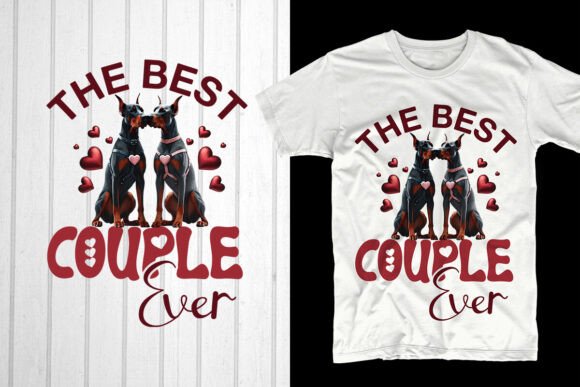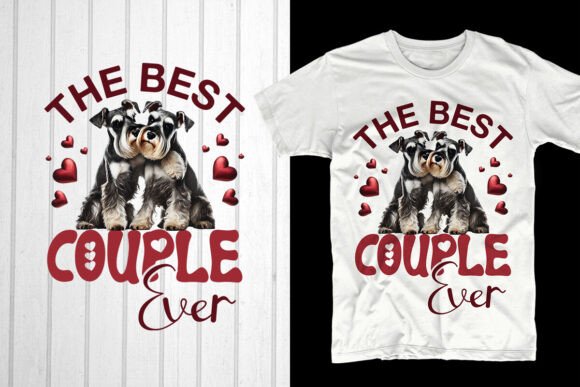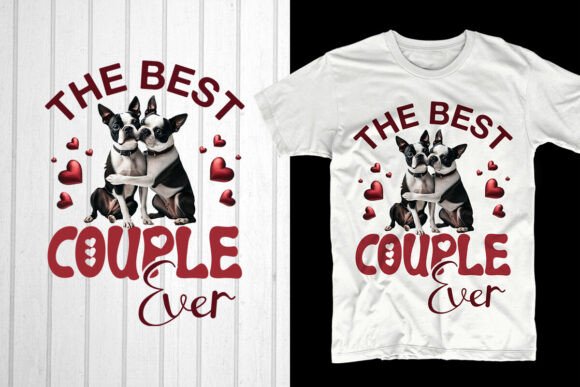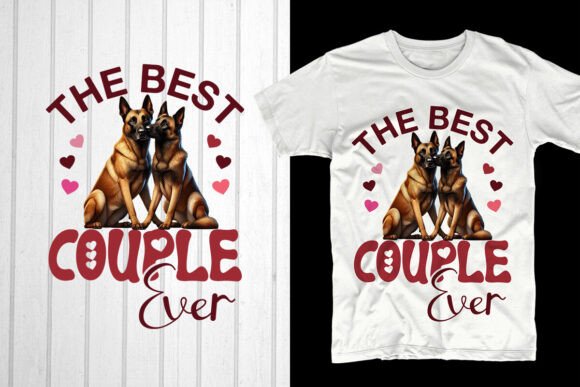
Is The Best Couple Chow Chow Dog Right for Your Embroidery?
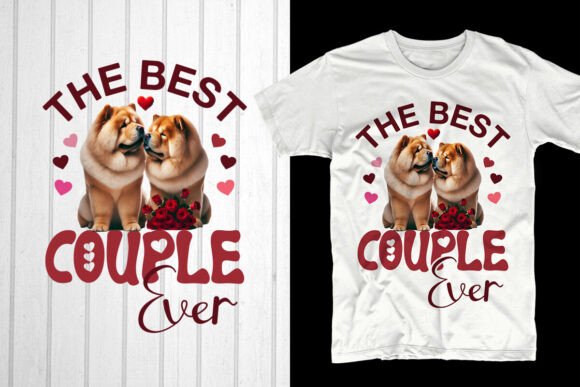
Every embroidery designer knows the feeling of opening a new file and immediately picturing it stitched on a soft sweatshirt, a crisp tote bag, or a tiny baby onesie. That’s exactly where my mind went when I first saw The Best Couple Chow Chow Dog. It’s not just another generic pet motif—the mood is warm, playful, and unmistakably romantic, with two fluffy chow chows posed in a way that feels like a Valentine’s Day greeting without screaming “holiday” so loudly it loses everyday appeal. As a design reviewer who also runs a small handmade shop, I’m always hunting for artwork that bridges that gap between specialty theme and versatile product. This one caught my attention immediately.
First Impressions: More Than Just a Cute Dog Duo
The first thing I noticed about The Best Couple Chow Chow Dog graphic is how balanced the composition is. It places the two dogs close together—one leaning slightly into the other—surrounded by a clean heart or decorative shape (depending on the version you receive). The silhouette reads clearly even in thumbnail size, which is a huge plus for embroidery mockups and digital product previews. For craft business owners who rely on printable mockups to sell items before stitching them, that strong visual outline means shoppers instantly understand the design on a phone screen.
Honestly, the design’s personality feels like it was born for custom apparel and personalized gifts. These chow chows have a timeless, sketch-like charm that appeals to dog lovers of all ages. It’s stylish and trendy, yes, but not so trendy that it’ll look dated next February. The mood lands somewhere between a boutique illustration and a heartfelt greeting card. If you’re an Etsy seller curating a cozy, pet-friendly vibe, this design gives you an easy asset to build a product around.
Where This Chow Chow Pair Shines Brightest
I mentally ran The Best Couple Chow Chow Dog through my usual product checklist, and a few clear winners emerged. First, totebag design—a sturdy canvas tote with this design stitched in matte polyester thread would be the kind of “throw it in the cart” item a customer buys on impulse. The scale usually works well on a generous front panel without overwhelming the bag’s shape. I’d also reach for it immediately for a pillow cover project, especially a linen blend with a soft, tonal thread palette. The heart element naturally suits bedroom or couch decor, and it skirts the line between romantic and everyday home styling.
For sweatshirt embroidery, this design has real potential. Imagine a cream French terry crewneck with the couple chow chows placed left-chest size, stitched in deep burgundy and blush threads. The gentle curves of the dogs’ fur suit satin stitch contouring beautifully, and the absence of harsh, geometric lines reduces the risk of puckering on knit fabric. I’d also test it on a baby embroidery item, like a tiny bomber jacket or a soft knit blanket. There’s an innocence here that doesn’t feel overly romantic, so it works as a “mommy and me” accent piece, too.
Embroidered patch applications? Absolutely. If you’re creating patches for craft fair inventory or small shop product add-ons, digitizing The Best Couple Chow Chow Dog as a machine embroidery design patch with a merrow border would give it that collectible, giftable finish. Patches move fast in February, but because the design isn’t overly heart-heavy, you could sell it year-round as a “best friend” or “proud dog parent” item.
Placing the Design in Real-Stitch Scenarios
When I think about using The Best Couple Chow Chow Dog in a commercial embroidery setting—say, preparing a run of boutique hoodies for a local pet shop—I always ask myself how the stitch density will interact with common garments. On a medium-weight fleece hoodie, the filled areas that define the dogs’ thick coats need to strike that tricky balance: dense enough to cover fully, but not so dense that the fabric turns into cardboard. Without seeing the exact embroidery file specifications, I can’t speak to the digitizer’s settings, but the visual design doesn’t contain massive solid blocks, which is a good sign. The artwork naturally falls into a mix of outlined characters with selective fill, which lends itself well to a combination of running stitch for delicate whisker lines and fill stitch for body sections.
Even on more challenging blanks like a cap or a curved visor, the design’s compact layout likely fits a standard 4x4 hoop, though I’d always verify hoop size before loading up the machine. For a dad cap with a central front placement, the symmetrical chow chow pairing centers perfectly. Just be cautious with the lower curve—any lettering (if the file includes a small “love” or date script) might distort on a highly structured cap. Testing on a scrap of stiff buckram-backed fabric first is non-negotiable here.
Personally, I’d avoid stretching this onto ultra-thin, stretchy fabric like lightweight jersey without a solid stabilizer strategy. A no-show cutaway mesh, basted carefully, will keep the chow chows from warping on a baby onesie or a clingy modal tee. And while the design feels made for holiday embroidery, particularly Valentine’s, I’d also absolutely stitch it on a kitchen towel as a wedding shower gift. The domestic-dog theme plus the subtle heart motif feels right at home on a flour-sack towel wrapped around a bottle of wine.
Potential Trouble Spots (and How to Avoid Them)
No design is universally perfect, and The Best Couple Chow Chow Dog comes with a few watch-outs that any experienced stitcher should note. The first is thread colors. If the dogs are intended to be red or cinnamon-colored chow chows, the contrast between the two animals and any background element matters a lot on dark fabric. I did a mockup on a charcoal sweatshirt, and the darker dog nearly disappeared until I swapped to a slightly warmer rust shade. Always test your thread palette on the actual fabric texture you’ll stitch on—what looks great on white cotton test cloth can vanish on a heather grey pullover.
Small internal details also deserve a close inspection. If the file includes tiny facial markings, paw outlines, or a heart swirl with intricate turns, a satin stitch programmed at too narrow a width might chew up delicate areas on textured fabrics like French terry or loosely woven linen. I’d open the embroidery file in my software and check whether those fine lines are mapped as run stitches, which lay more gently on uneven surfaces. For tiny lettering (if the design incorporates names or a date), run a sew-out on organza or a similar sheer stabilizer to see whether the characters fill cleanly. If the names merge into blobs at less than 6mm, you may need to scale up or request an edit from the digitizer.
Frequent washing is another consideration for finished products like a toddler’s blankie or a dish towel. The satin border around the heart shape may need a bit more underlay to survive dozens of hot cycles. I’d recommend a poly core thread for any items headed to heavy rotation, and definitely include care instructions with your handmade product that mention turning the item inside out before washing. These small steps preserve the crisp, professional finish that builds customer trust.
A Designer’s Pre-Stitch Checklist
Before you commit The Best Couple Chow Chow Dog to a client order or a batch of Etsy inventory, run through a few practical steps. I keep a checklist for every new digital embroidery file I test, and this one deserves the same thorough vetting:
- Scrap fabric test first. Don’t let your first run be on the expensive organic cotton tee. Use a similar blend and weight to spot any density or registration hiccups.
- Check thread color contrast. Lay actual thread cones on the fabric in daylight. If the chow chow features blend too much, adjust one shade warmer or cooler.
- Review stitch density. Zoom in digitally or run a slow stitch-out. Look for overly packed areas that could cause needle breaks or bulletproof patches on lightweight garments.
- Confirm hoop size. The design may be marketed as fitting a certain hoop, but measure the file’s dimensions in your software. Leave at least a half-inch margin for hooping ease.
- Inspect small details. Those tiny toe beans and whisker dots matter. If they disappear on a textured towel, simplify the digitizing or choose a smoother base fabric.
- Test in black and white. Convert a mockup to grayscale to see if the design still reads. If it turns into a gray blob, your stitch contrast needs work.
- Compare light and dark backgrounds. A design that looks balanced on oatmeal fabric may need a brighter pop color on navy. Keep both versions in your portfolio.
- Use proper stabilizer. For garments: cutaway for knits, tearaway for sturdy wovens, and a topper on plush fabrics to prevent stitches from sinking.
- Clarify licensing. The description mentions selling on POD and trendy graphics, but always confirm whether the file includes a full commercial embroidery license for handmade products. Selling finished sweatshirts, tote bags, or patches requires a commercial use clearance, and not every digital embroidery file comes with it automatically. Reach out to the creator if the terms aren’t crystal clear.
I’d also slip a note into my project binder reminding me that this design came from a T-Shirt Designs and Graphics collection, which often means it was originally created for print-on-demand, not embroidery. That’s not a dealbreaker—lots of fantastic embroidery designs start their life as vector graphics—but it does mean the digitizing quality hinges entirely on who converted it. If the file you purchase was auto-digitized without manual clean-up, you’ll see excessive trims, jump stitches, and uneven fills. A reputable seller will provide a properly hand-digitized machine embroidery design version. If that info isn’t visible in the listing, ask before buying.
Where the Design Elevates Your Brand
I’m always thinking about how a single embroidery project can shift a buyer’s whole perception of a shop. The Best Couple Chow Chow Dog has that rare quality where the theme feels both emotionally specific and adaptable enough to slide into year-round collections. For a craft business focused on dog lovers, this instantly becomes a signature piece. You can build a whole mini-collection: the tote bag version, the matching couple’s sweatshirts, the baby blanket, the framed hoop art. That cohesion strengthens brand consistency and makes your shop look professional, not just a random assortment of cute things.
In terms of giftability, this design checks every box. A personalized gift with two chow chows—maybe adding a couple’s initials below—feels custom without requiring complex digitizing edits for each order. Shoppers looking for Valentine’s, anniversary, or even just-because gifts will pause on this design in a sea of generic hearts. And from a buyer engagement standpoint, dog-themed products practically sell themselves; add the couple element, and you double the emotional pull. I’d photograph a finished embroidered zipper pouch with a handwritten tag reading “The best thing to hold onto in life is each other,” and watch the favorites stack up on Etsy.
Final Thoughts on Adding This to Your Product Lineup
After a full mental run-through—testing it in my mind on canvas totes, chunky knit sweaters, baby caps, and even a surprise project on a denim apron—I’d give The Best Couple Chow Chow Dog a confident green light, with the usual caveats any good designer applies. It brings a soft, affectionate, and distinctly non-cliché visual into your embroidery arsenal. The graphic’s simplicity works in its favor, letting the stitch quality speak instead of hiding behind overly complex artwork. When I think of handmade products that truly connect with customers, it’s pieces like this: a cozy, wearable, giftable reminder of a bond between two people (and their beloved dogs).
For small business owners and creative entrepreneurs who want to offer something that feels like a boutique find, The Best Couple Chow Chow Dog opens up a range of embroidered patch, custom apparel, and home decor possibilities. Just stitch out that test sample, watch your tension, pick threads that make those chow chow faces pop, and you’ll have a finished product that earns repeat customers. I’ll be keeping this file in my personal library, ready for the next custom order that asks for “something sweet, with dogs, but not too cheesy.” It lands right in that sweet, tail-wagging spot.